Chess: A Playful Typeface for Creative Designers
Finding a typeface that balances whimsy with genuine professionalism is a constant challenge. You want something that feels approachable and fun, but it can't look amateurish. Enter Chess, a premium font that masterfully walks this line. It’s not just another novelty display font; it’s a meticulously crafted tool designed to inject personality and warmth into a wide array of projects. If you've ever felt that standard sans serif font options are too sterile for a particular job, Chess offers a compelling alternative that doesn't sacrifice clarity or sophistication.
The Visual Personality of the Chess Typeface
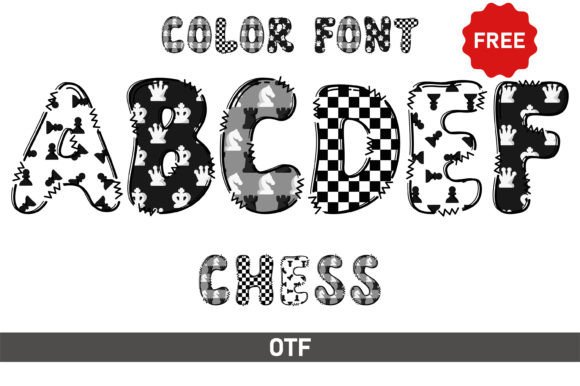
At first glance, Chess presents a distinctively playful or artistic feel. Its characters feature soft, rounded terminals and a gentle, almost organic rhythm. Think of it as a handwritten font that has been refined for commercial use—it retains the human touch and charming irregularities but with a consistency that ensures legibility. The letterforms have a bouncy baseline, giving text a lively, energetic cadence. This isn't a font that shouts; it invites. Its personality is friendly, creative, and slightly nostalgic, making it a superb choice for projects aiming to connect on an emotional level. Unlike many script fonts that can be overly formal or difficult to read, Chess maintains a clean, open structure that works beautifully at various sizes.
Where Chess Truly Shines: Practical Applications
The true test of any creative font is its versatility. Chess excels in environments where you need to capture attention and convey a sense of approachability. It’s a natural fit for editorial design in lifestyle magazines, feature headers in blogs, and chapter titles in books. Its inherent charm makes it a standout for packaging design, especially for artisanal food products, cosmetics, or children's goods where a personal, crafted aesthetic is key. For logo design, Chess can establish a brand identity that feels welcoming and inventive—perfect for a boutique studio, a craft brewery, or a creative agency.
In the digital realm, Chess translates wonderfully to web design for hero sections, pull quotes, and call-to-action buttons where you want to guide the user's eye with a friendly nudge. It’s equally effective in social media graphics, where its distinctive style helps posts stand out in a crowded feed. For publishing, consider it for book covers, especially in genres like contemporary fiction, romance, or young adult literature. The font’s style aligns perfectly with the description of typefaces used in children’s books—whimsical, colorful, and easy to read, creating an engaging experience. Beyond commercial use, it’s a fantastic asset for personal projects like invitations, greeting cards, and scrapbooking.
Integrating Chess into Your Design Workflow
Adopting a new typeface like Chess requires more than just liking its look. You need to evaluate its technical merits and strategic fit. First, consider readability. While Chess is clear for a display font, it’s best suited for headlines, subheads, and short blocks of text. For body copy, pair it with a highly legible serif font or a clean sans serif font. A classic pairing might be Chess for headings with a font like Lora or Open Sans for the main text, ensuring your font pairing feels balanced.
Next, review the full package. Does the commercial font license cover your intended use, whether for client work, merchandise, or digital products? Check what’s included: Does it have multiple weights (like Regular, Bold, Italic)? Are there stylistic alternates or ligatures that can add extra flair? Testing is crucial. Place Chess in a mockup of your actual project—a website header, a book cover draft, a social media template. See how it interacts with your color palette, imagery, and other design assets. Does it support the hierarchy you need? Does it enhance or distract from your message?
Finally, think about brand consistency. If you’re building a brand identity, Chess could become a signature element. Its unique personality can aid in brand recognition, but it must be used consistently across all touchpoints. Document its proper usage in your style guide. Remember, a font is a powerful component of modern typography; it carries meaning. Choosing Chess signals that your brand values creativity, approachability, and a touch of artistry. It’s not just about picking a pretty typeface—it’s about selecting a tool that communicates your core message effectively and resonates with your intended audience. When applied thoughtfully, Chess doesn’t just decorate; it communicates, engages, and elevates.