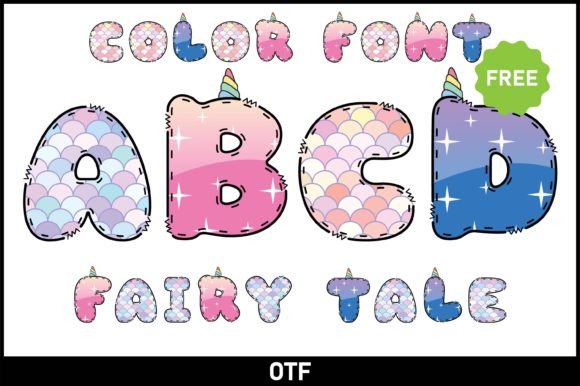
Enchanting Projects: Where Fairy Tale Font Truly Shines
Capturing Whimsy and Elegance in Your Typography
In the crowded landscape of modern typography, finding a typeface that balances playful charm with professional readability can be a challenge. Fairy Tale is a premium font designed to bridge that gap. It is not merely a collection of letters; it is a design asset that brings a distinct personality to any project it touches. As a display font, its primary goal is to capture attention and set a mood. Its visual characteristics are defined by flowing lines, gentle curves, and a sense of handcrafted artistry that feels both personal and polished.
The appeal of Fairy Tale lies in its versatility within specific creative contexts. It excels in designs aiming for a whimsical, artistic, or storybook feel. Think of the lettering on a child's favorite book cover, the headline of an enchanting wedding invitation, or the logo for a boutique bakery. The font's personality is approachable and imaginative, making it an excellent choice for projects targeting families, children, or audiences seeking a touch of magic. It avoids the rigidity of many sans serif fonts and the formality of traditional serif fonts, offering a unique middle ground that feels friendly and authentic.
Practical Applications for Designers and Entrepreneurs
Understanding where a creative font like Fairy Tale works best is key to using it effectively. Its strength is in applications where storytelling and emotion are paramount. For entrepreneurs and small business owners, this typeface can become a cornerstone of a memorable brand identity, especially for businesses in the children's market, artisan goods, or creative services.
- Branding and Logo Design: Fairy Tale is a strong contender for logo design when the brand narrative involves imagination, tradition, or gentle craftsmanship. It works well for a children's clothing line, a independent bookstore, a specialty tea shop, or a creative workshop. The font sets an immediate tone, telling potential customers what to expect from the brand's personality.
- Editorial and Publishing Design: This is a natural habitat for Fairy Tale. It is ideal for book covers, chapter headings, and promotional materials for middle-grade novels, fairy tale collections, or fantasy genres. Its readability at larger sizes makes it perfect for titles, while its decorative nature adds significant visual interest to a cover or interior spread.
- Packaging and Product Design: For physical products, the font can elevate packaging from ordinary to collectible. Imagine it on labels for artisanal jams, handmade soils, or children's toys. It communicates quality and care, suggesting a product made with attention to detail and a story behind it.
- Event Stationery and Invitations: The whimsical style is perfect for greeting cards, baby shower invitations, birthday party supplies, and wedding stationery with a fairy tale theme. It helps create a cohesive and immersive experience for guests from the moment they receive the invitation.
- Digital Presence and Marketing: In the digital realm, Fairy Tale can be used strategically for web design headers, blog post titles, and social media graphics. It is particularly effective on platforms like Pinterest and Instagram, where visual appeal drives engagement. For marketers, using it in email subject lines or ad headlines can increase open rates and click-throughs by standing out in a crowded inbox.
It is important to note its technical specifications for crafters and designers working with cutting machines. The black version of Fairy Tale is compatible with Cricut Design Space and similar software, making it accessible for DIY projects like vinyl decals, custom apparel, and paper crafts. However, the color version is a more advanced asset, designed for professional design programs like Adobe Photoshop, Illustrator, Silhouette, and Inkscape. This version allows for multi-color designs but is not compatible with standard cutting machine software, a crucial consideration for hobbyists planning their projects.
Strategic Use: Readability, Pairing, and Licensing
Simply liking a font's style is not enough; strategic implementation is what separates good design from great. Fairy Tale, as a decorative display font, should be used judiciously to maintain its impact and ensure overall readability. Its primary role is for headlines, logos, and short bursts of text, not for long paragraphs of body copy. Overusing it can overwhelm a viewer and diminish its enchanting effect.
A core principle in design is font pairing. To create a balanced and professional layout, pair Fairy Tale with a more neutral typeface. A clean sans serif font or a simple, legible serif font makes an excellent companion. Use Fairy Tale for the main headline to draw the eye, then use the paired font for subheadings and body text. This creates a clear visual hierarchy, guiding the reader through the content smoothly. For example, a wedding invitation might use Fairy Tale for the couple's names, paired with a classic serif font for the event details.
Before finalizing a design, always test the font in context. View it at the intended size, on the intended medium—whether a computer screen, a printed page, or a product label. Check the legibility of specific letter combinations and ensure the overall tone aligns with the project's message. Does it feel too playful for a serious brand? Or does it perfectly capture the desired whimsy?
Finally, for any commercial project, licensing is non-negotiable. Fairy Tale is a commercial font, and its use in logos, products, or client work requires the appropriate license. Always review the license agreement included with your purchase to understand the permitted uses, whether for a single end product or for multiple projects. This step protects you legally and respects the work of the type designer.
By treating Fairy Tale not just as a font but as a key component of your visual strategy, you can harness its full potential to create designs that are not only beautiful but also effective, memorable, and perfectly suited to your audience.