Meet Pearl: The White Pearl Font for Girly Aesthetics
When you are building a brand or a product line that targets a feminine audience, the typography you select acts as your silent ambassador. It sets the mood before a customer even reads a single word. In the vast ocean of modern typography, finding a creative font that balances elegance with a playful, approachable vibe can be a challenge. This is where the Pearl typeface enters the conversation. It is not just another script; it is a carefully designed display font that mimics the luster and charm of actual pearls, making it an ideal candidate for projects ranging from logo design to packaging design.
The Visual Language of Pearl
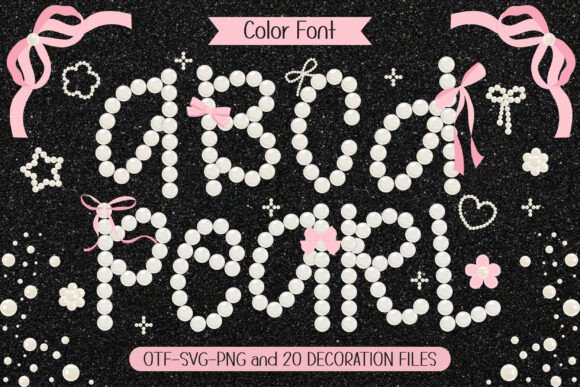
At its core, Pearl is defined by its "white pearl" color inspiration, but its design structure is where the magic happens. It is a premium font that leans heavily into a preppy style. Unlike a traditional serif font that relies on sharp edges or a standard sans serif font that prioritizes minimalism, Pearl offers a unique middle ground. It features soft, rounded terminals and a gentle flow that feels handwritten yet structured. The characters have a distinct weight and texture that suggests depth, mimicking the dimensional quality of a real gemstone.
The personality of this typeface is undeniably cute, but it avoids looking childish. It maintains a level of sophistication that allows it to be used in professional brand identity materials. For instance, if you are designing a logo for a boutique skincare line or a high-end stationery shop, the letterforms of Pearl convey quality and care. The inclusion of doodle elements—specifically the cute pearl shapes and pink ribbons—adds a layer of versatility. These assets allow you to build a cohesive visual system around the font, ensuring that your social media graphics and editorial design layouts feel complete and intentionally curated.
Strategic Applications: Where Pearl Shines
Understanding the strengths of a font like Pearl is essential for maximizing its impact. Because it is a display font, it is engineered to capture attention at larger scales. This makes it less suitable for long-form body copy in web design (where a legible sans serif font is usually preferred) but perfect for headlines, hero sections, and call-to-action buttons.
For entrepreneurs and small business owners, the practical applications are vast. Consider the apparel industry: this font is perfect for T-shirt designs targeting a young adult demographic. Its readability at a distance and its "girly aesthetic" make it ideal for custom names on merchandise. In the realm of DIY craft projects, such as scrapbooking or sticker creation, the included doodle elements provide immediate value, reducing the need to purchase separate design assets.
Furthermore, packaging design is a critical area where Pearl can elevate a product. Imagine a subscription box for cosmetics or a gift wrap pattern; the font adds a delicate, stylish touch that suggests the contents are luxurious. For publishers and bloggers, using Pearl for chapter titles or pull quotes can break the monotony of standard text, creating a visual hierarchy that guides the reader's eye through the page.
Font Pairing and Design Hierarchy
No font exists in a vacuum. One of the most practical skills a designer can master is font pairing. To use Pearl effectively, you need to balance its decorative nature with something more grounded. Because Pearl has high visual interest, pairing it with a busy script font or a complex handwritten font can result in a cluttered look that sacrifices readability.
Instead, look for contrast. A clean, geometric sans serif font works beautifully alongside Pearl. The simplicity of the sans serif allows the Pearl typeface to remain the star of the show for headings, while the supporting font handles the heavy lifting for body text. This contrast is a fundamental principle of modern typography. It ensures that your visual hierarchy is clear: the eye is drawn to the stylized header, and then transitions easily to the information below.
When evaluating project fit, consider the tone of your message. If you are creating a formal legal document, Pearl is obviously the wrong choice. However, if you are designing a wedding invitation, a birthday card, or a marketing flyer for a spa day, its "delicate, stylish, and feminine vibe" aligns perfectly with the emotional intent of the piece.
Technical Considerations and Licensing
Before integrating any commercial font into your workflow, a few technical checks are necessary. First, always review the licensing terms. If you are a marketer or content creator using this font for a client’s product launch, ensure the license covers commercial use. Most reputable font foundries are clear about this, but it is a crucial step to protect your business and your client.
Next, test the font in your specific environment. How does it render on screen versus print? While Pearl is designed to look like a premium font, rendering can vary depending on the software. Test it in your web design mockups to see how it looks on mobile devices. Check the kerning (the space between letters) to ensure it flows naturally in your specific word combinations.
Finally, explore the full character set. A good font often comes with alternates, ligatures, or, in this case, those specific doodle elements. Knowing exactly what is in your toolkit allows you to design more efficiently. By treating Pearl not just as a set of letters but as a comprehensive design asset, you can create cohesive, professional, and engaging visuals that resonate with your target audience.