Pencil Doodle: A Playful Font for Educational Designs
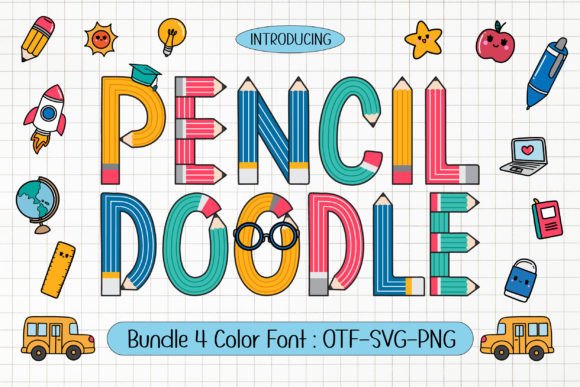
When a project calls for a dose of childhood nostalgia mixed with a clean, educational vibe, finding the right display font can be a challenge. Many typefaces try to capture the "handwritten" look but end up looking messy or unprofessional. Pencil Doodle strikes a specific balance. It mimics the shape of a classic No. 2 pencil, not just in its texture, but in its construction. This isn't just another script font; it is a thematic asset designed to evoke the excitement of a new school year. For designers and entrepreneurs in the education sector, this creative font offers a distinct visual shorthand that immediately communicates learning, creativity, and fun.
Visual Characteristics and Typography Details
Understanding the anatomy of Pencil Doodle helps in deciding where it fits within a layout. As a premium font, it focuses on consistency and legibility, which are often lacking in free alternatives.
- Monolinear Construction: The strokes maintain a consistent width, mimicking the line of a pencil tip. This makes it excellent for high-contrast backgrounds where a serif font might get lost.
- Color Styles: The package includes four distinct color styles. This is a massive time-saver for creators who work with social media graphics or quick-turnaround packaging design. You aren't just getting a shape; you are getting pre-mixed color palettes that pop.
- Doodle Clip Art: The inclusion of 20 matching doodles allows for a cohesive brand identity. You can build a complete visual system using the font and the accompanying assets, ensuring that the header, body text accents, and decorative elements speak the same language.
Strategic Applications for Modern Creators
While the font is clearly inspired by children, its applications extend into serious commercial territory. The key is understanding the audience's mindset. Adults aged 20–50 often respond to "edutainment" styles—designs that feel informative but accessible.
1. Publishing and Editorial Design
In editorial design, Pencil Doodle shines as a sub-header or call-out font. Imagine a magazine spread about "Hacks for Working Parents" or "DIY Home Organization." Using this typeface for pull quotes breaks the monotony of standard sans serif font blocks, injecting personality without sacrificing the professional feel of the publication. It works exceptionally well for book covers in the middle-grade or young adult (YA) fiction genres.
2. Packaging and Product Design
If you are launching a product aimed at the education market—think stationery, planners, or lunchbox accessories—Pencil Doodle is a natural fit. However, it also works for artisanal brands. A bakery selling "back to school" cookies or a coffee shop promoting a "study blend" can use this font to create limited-time offers that feel timely and relevant. It bridges the gap between logo design and seasonal marketing.
3. Digital Assets and Web Design
In web design, readability is king. Because Pencil Doodle is a display font, it should be used sparingly—think headers, buttons, or banner text. Pairing it with a clean, geometric modern typography style for body copy ensures the page loads fast and reads easily. For course creators selling digital downloads, this font signals to the user that the content is structured and educational.
Technical Considerations for Designers
Adopting a new typeface requires more than just liking how it looks; it requires technical due diligence. As you evaluate Pencil Doodle for your next project, consider these practical factors.
Font Pairing Strategies
The "personality" of Pencil Doodle is high-energy. Therefore, it requires a grounding partner. Avoid pairing it with other handwritten fonts or overly decorative scripts, as this creates visual noise.
- The Professional Balance: Pair Pencil Doodle with a sturdy sans serif font like Montserrat or Roboto. This creates a hierarchy where the playful element draws attention, and the sans serif provides the necessary information density.
- The Classic Contrast: For a more sophisticated look, try a light-weight serif font. The contrast between the structured serifs and the organic pencil shape can create a dynamic tension that feels modern yet approachable.
Color and Hierarchy
Since the font comes with four color styles, you have an immediate advantage in creating visual hierarchy. Use the most vibrant style for the primary headline to grab attention. Use a monochrome version (if available) or a muted tone for secondary sub-headers. This prevents the design from becoming overwhelming while maintaining the thematic consistency of your design assets.
Commercial Use and Brand Consistency
For small business owners, licensing is a critical, often overlooked step. Pencil Doodle is a commercial font, meaning it is cleared for projects that generate revenue. This is vital for packaging design, merchandise, and paid digital products.
Using a properly licensed typeface protects your brand identity from legal issues down the road. It also ensures that you have access to all the glyphs, alternates, and doodles included in the package. When you standardize your marketing materials around a specific asset like Pencil Doodle, you build recognition. Customers begin to associate that specific style with your brand's voice—playful, educational, and approachable.
Final Thoughts on Implementation
The most effective use of Pencil Doodle happens when the designer respects the source material. It is a font that celebrates the act of creation. Whether you are designing a poster for a local school fundraiser, creating a header for a parenting blog, or mocking up a t-shirt design, this typeface brings an inherent joy to the composition. It reminds the viewer of the tactile pleasure of a fresh notebook and a sharp pencil—a feeling that resonates across generations.