The Beach: A Font That Captures Sunny Vibes
There’s a certain feeling you get when you see a design that instantly transports you. It’s the relaxed, carefree energy of a perfect summer day. The Beach is a font built to bottle that feeling. More than just a collection of letters, it’s a stylistic asset designed to bring a laid-back, tropical personality to your work. Think of it as a creative shortcut to vacation mode for your brand or project.
Understanding Its Visual Character
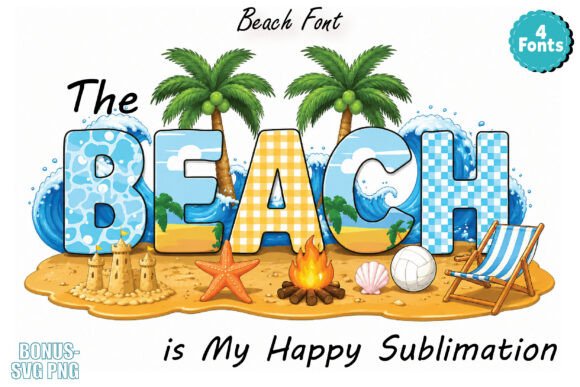
At its core, The Beach is a display font, meaning it’s crafted for impact at larger sizes rather than for body text. Its visual style is unmistakably inspired by coastal living. You’ll notice letterforms that might evoke the smooth curves of sea-washed stones or the bold, friendly shapes of vintage surf shop signage. The overall personality is approachable, trendy, and full of warmth.
Unlike a rigid sans serif font or a formal serif font, this typeface often leans into a slightly irregular, hand-crafted quality. This gives it an authentic, human touch that feels personal rather than corporate. It’s a premium font that functions as a powerful piece of design assets, specifically engineered to convey a specific mood: fun, relaxation, and sunny optimism.
Where This Font Truly Shines
The real value of a font like The Beach lies in its application. It’s not a workhorse for long paragraphs, but a specialist for grabbing attention and setting a scene. Here’s where it works best:
- Brand Identity & Logo Design: For businesses with a coastal, resort, or outdoor leisure focus, this font can become a cornerstone of the brand identity. Imagine a boutique hotel, a surf school, or a summer festival using it in their logo. It immediately communicates the right vibe.
- Marketing & Social Media Graphics: Need to stop the scroll? The Beach is perfect for headlines on Instagram posts, Facebook ads, or Pinterest graphics promoting summer sales, vacation packages, or seasonal products. Its friendly style boosts audience engagement.
- Publishing & Editorial Design: While not for body copy, it’s excellent for chapter titles in a travel memoir, magazine headers for a summer issue, or pull quotes in a lifestyle blog. It adds a thematic punch without overwhelming the page.
- Packaging & Merchandise: From t-shirt designs to sticker packs and planners, this font excels. It’s a natural fit for sublimation projects, tote bags, and product labels for items like sunscreen, snacks, or beverages targeting a leisure market.
- Web Design & Digital Presence: Used strategically for hero section headings or call-to-action buttons on a website, it can set the entire tone for a user’s experience, making a site feel inviting and themed.
Making It Work: Practical Considerations
Adopting a strong stylistic font requires a bit of strategy to ensure it enhances rather than hinders your design. Here’s how to approach it effectively.
Pairing for Balance and Hierarchy
A font with this much personality needs a supporting cast. The key is font pairing. Balance its expressive nature with a clean, neutral sans serif font or a simple serif font for any supporting text. This creates a clear visual hierarchy: The Beach draws the eye for headlines, while the paired font ensures body copy remains highly readable. This contrast is fundamental to professional editorial design and web design.
Readability and Context
Always consider context. A font that looks fantastic on a bold poster might be illegible if shrunk down for a website caption. Test it at the actual size it will be used. For digital applications, check its clarity on different screens. For print, consider the material—it will look different on textured paper versus a glossy label. Its strength is in larger, shorter bursts of text where its character can be appreciated.
Evaluating the Package and License
Before purchasing, review what’s included. Does the font package offer multiple weights or styles (like a regular, bold, or italic version)? This adds versatility. Furthermore, since you’re likely using this for commercial projects, scrutinize the licensing. A good commercial font license should clearly outline permitted uses, such as on merchandise, in digital products, and for client work. This protects your investment and your projects.
In the end, choosing a font like The Beach is about selecting the right tool for a specific job. It’s a creative font that, when used thoughtfully, does more than spell out words—it conveys an emotion, builds a recognizable brand identity, and connects with an audience on a visceral level. It’s not just typography; it’s a tiny piece of vacation for your design toolkit.