Trick or Treat: A Font with Playful Charm
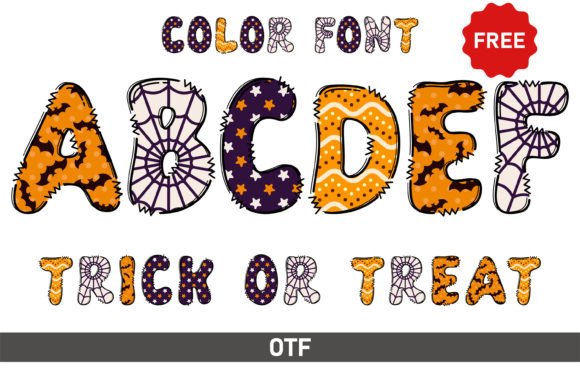
When you’re working on a project that needs a dose of personality, the right typeface can be the secret ingredient. Trick or Treat is a creative font that immediately sets a specific tone. It’s not just a collection of letters; it’s a design asset built to evoke a whimsical, artistic, and slightly mischievous feeling. Think of the hand-lettered title on a favorite children’s storybook or the eye-catching headline on a festival poster. This font carries that same engaging energy, making it a go-to choice for designers and creators who want to inject warmth and character into their work.
Where This Font Truly Shines
Understanding a font’s personality is one thing, but knowing where to apply it is where practical value lies. Trick or Treat excels in contexts where playfulness and artistic flair are desired. Its visual style makes it a natural fit for projects targeting younger audiences or those needing a friendly, approachable feel. You’ll find it works exceptionally well in children’s books, where its whimsical forms can make reading an adventure. It’s equally at home on posters for community events, invitations for birthday parties, or greeting cards that need a personal, handmade touch.
Beyond personal crafts, this typeface has solid applications in commercial design. For small business owners, it can become a key part of a brand identity for a toy store, a bakery, or a creative workshop. Its character helps with instant recognition. In packaging design, especially for products aimed at families or for seasonal goods, the font can make labels stand out on a shelf. It’s also a strong contender for social media graphics, where stopping the scroll often requires a bold and friendly visual statement. The key is matching the font’s inherent playfulness with the project’s core message.
Practical Guidance for Using Trick or Treat
Choosing a premium font like this involves more than just liking how it looks in a preview. A critical first step is evaluating the project fit. Ask yourself: Does the tone of my project—whether it’s a logo, a flyer, or a website header—align with a handwritten font that feels artistic and informal? For formal reports or legal documents, this would be a poor choice. But for a yoga studio’s branding or a blog about creative parenting, it could be perfect.
Next, consider font pairing. A display font like Trick or Treat is designed for headlines, not body text. Its strength is in large, short bursts of text. For longer paragraphs, you’ll need a more neutral companion. A clean sans serif font or a classic serif font often works well, providing readability and a visual contrast that lets the display typeface’s character pop without overwhelming the reader. Always test your pairings in context to ensure harmony.
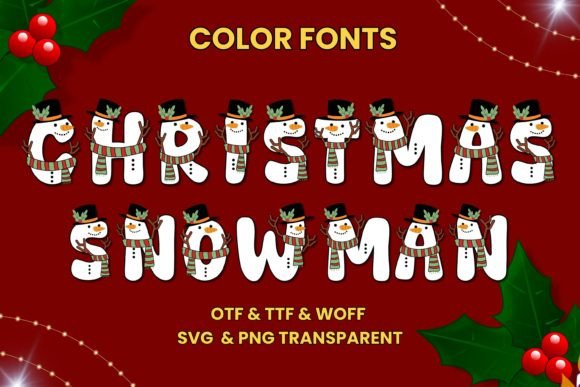
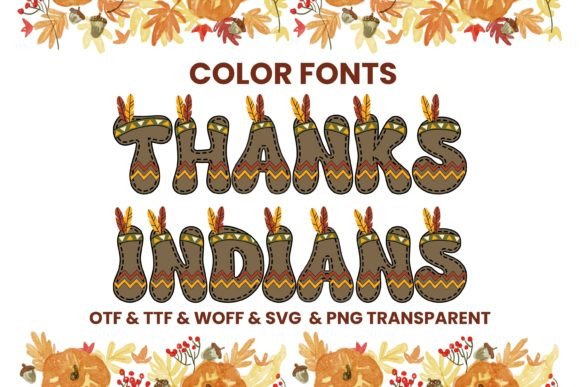
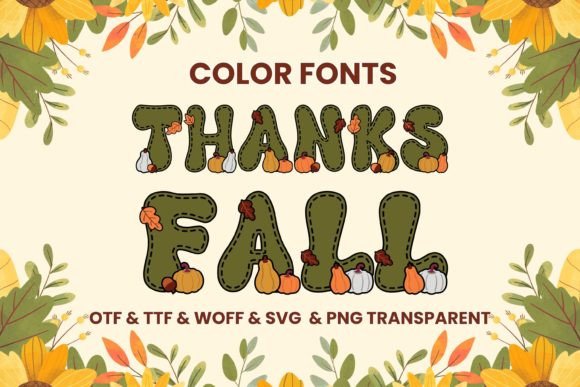
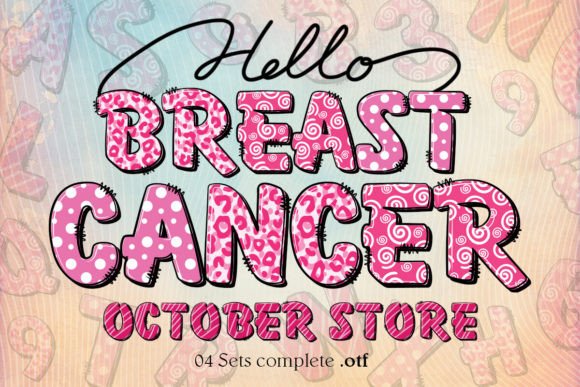
Finally, pay close attention to the technical details and licensing. The font family includes both black and color versions, each with specific compatibility. The standard black version is a versatile workhorse, compatible with a wide range of software, including Cricut Design Space for crafters and cutting machine enthusiasts. This makes it accessible for physical product creation. However, the color version—which might include multi-tone or gradient effects—is more specialized. It’s compatible with advanced design programs like Photoshop, Illustrator, Silhouette, and Inkscape, but not with Cricut. Always verify the file formats (OTF/TTF) against your software before purchasing for a specific use.
For those using it in commercial projects, reviewing the license is non-negotiable. Most commercial fonts require a license for use in products for sale, client work, or large-scale distribution. Ensure the license covers your intended use, whether for a local business’s logo, merchandise, or digital products. Taking the time to understand these aspects upfront prevents legal headaches later and ensures your design assets are used professionally and ethically.