Unleashing Cosmic Creativity with the Rocket Space Font
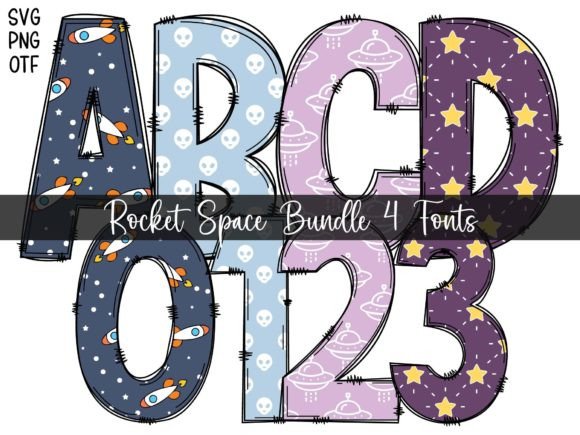
When you work in design, you eventually realize that typefaces are not just about legibility; they are about emotion. I recently had the chance to work with Rocket Space, and I have to say, it immediately sparked a sense of nostalgia and futuristic excitement. This is a premium font that doesn’t just sit on the page; it commands attention. It is described as a color font with a space theme, but that description barely scratches the surface. The visual characteristics of Rocket Space are defined by bold, chunky geometry that feels heavy and grounded, yet the thematic elements—likely gradients, textures, or planetary motifs—give it a dynamic energy. It feels like a bridge between vintage sci-fi posters and modern web design trends. If you are looking for a typeface that feels playful yet authoritative, this is the one to watch.
Visual Personality and Application Scope
The appeal of Rocket Space lies in its versatility despite its distinct personality. Because it is a display font, it is built for impact. You wouldn’t use this for body text in a novel, but you absolutely would use it for the headline that sells the book. Its "chunky" nature means it has high visual hierarchy potential. It naturally draws the eye, making it perfect for logo design where you need immediate brand recognition. I can easily see this working for a tech startup, a gaming channel, or a podcast about astronomy. However, don't limit yourself to literal space themes. The boldness of the letters makes it adaptable to packaging design for energy drinks, children's toys, or even bold fashion statements. It transforms a standard layout into a standout piece of art.
When we look at specific industries, the applications are vast:
- Marketing and Social Media: In the endless scroll of Instagram or TikTok, a standard sans serif font often gets lost. Rocket Space provides the necessary "thumb-stopping" power for social media graphics and promotional banners.
- Editorial and Publishing: For magazine covers or editorial design, particularly in entertainment or lifestyle sections, this font sets a specific tone. It tells the reader, "This content is exciting and modern."
- Commercial and Digital Products: If you are creating merchandise, t-shirts, or stickers, this creative font is practically ready-made for print-on-demand. The bold structure ensures that even on physical items, the message remains clear.
Strategic Influence on Branding and Readability
Choosing a font is a strategic decision that influences how your audience perceives your brand. Using Rocket Space signals that a brand is innovative, fun, and perhaps a bit daring. It moves you away from the safe, corporate feel of a standard serif font or a rigid sans serif font. Instead, it injects personality. For entrepreneurs and small business owners, this is crucial. You want your brand identity to feel human and approachable, yet professional. Rocket Space manages to hit that balance. It looks professional because of its clean construction, but it feels approachable because of its playful theme.
However, we must discuss readability. As a modern typography choice, Rocket Space excels at large sizes. But because of its intricate details—common in thematic color fonts—it requires careful handling at smaller scales. If you try to shrink it down for fine print or dense paragraphs, you risk losing the clarity of the letterforms. This is where font pairing becomes essential. You need a workhorse partner for Rocket Space. I recommend pairing it with a clean, geometric sans serif font for your body copy. Let Rocket Space handle the emotion and the headlines, while a font like Montserrat or Roboto handles the information delivery. This contrast creates a balanced visual hierarchy that guides the reader naturally through your content.
Practical Implementation and Design Assets
For designers and creators ready to implement this typeface, there are a few practical considerations to keep in mind. First, treat Rocket Space as one of your primary design assets, not just a decorative afterthought. When you evaluate the project fit, ask yourself if the mood of the project matches the energy of the font. It is fantastic for a music festival poster or a YouTube thumbnail, but it might clash with a minimalist meditation app.
Here is my advice for getting the most out of this asset:
- Test Your Pairings Early: Before finalizing your layout, test how Rocket Space interacts with your body copy. The weight difference should be significant enough to create contrast without creating conflict.
- Review the Styles: Check if the font file includes different weights or alternate characters. Color fonts sometimes behave differently across software, so ensure your version of Photoshop, Illustrator, or Canva supports the full feature set.
- Commercial Licensing: If you are a business owner or a publisher, always double-check the licensing. A commercial font license is necessary for client work, merchandise, and widespread distribution. Don't assume a personal license covers your business needs.
- Spacing and Kerning: Because the letters are "chunky," you might need to manually adjust the tracking (spacing) to ensure the letters don't collide awkwardly, especially in all-caps settings.
Ultimately, Rocket Space is more than just a novelty; it is a versatile tool for anyone looking to inject energy into their visuals. Whether you are a crafter making party invitations, a marketer designing a high-conversion landing page, or a publisher creating a gripping book cover, this font offers a unique flavor that standard typography libraries lack. It bridges the gap between a script font's personality and a sans serif font's reliability. By using it thoughtfully and respecting its visual weight, you can turn a mundane design into a creative journey. It allows you to leverage modern typography trends without feeling generic. If you want your next project to truly stand out, Rocket Space provides the lift-off you need.